Clean Air Arrives to Donegal Classrooms!
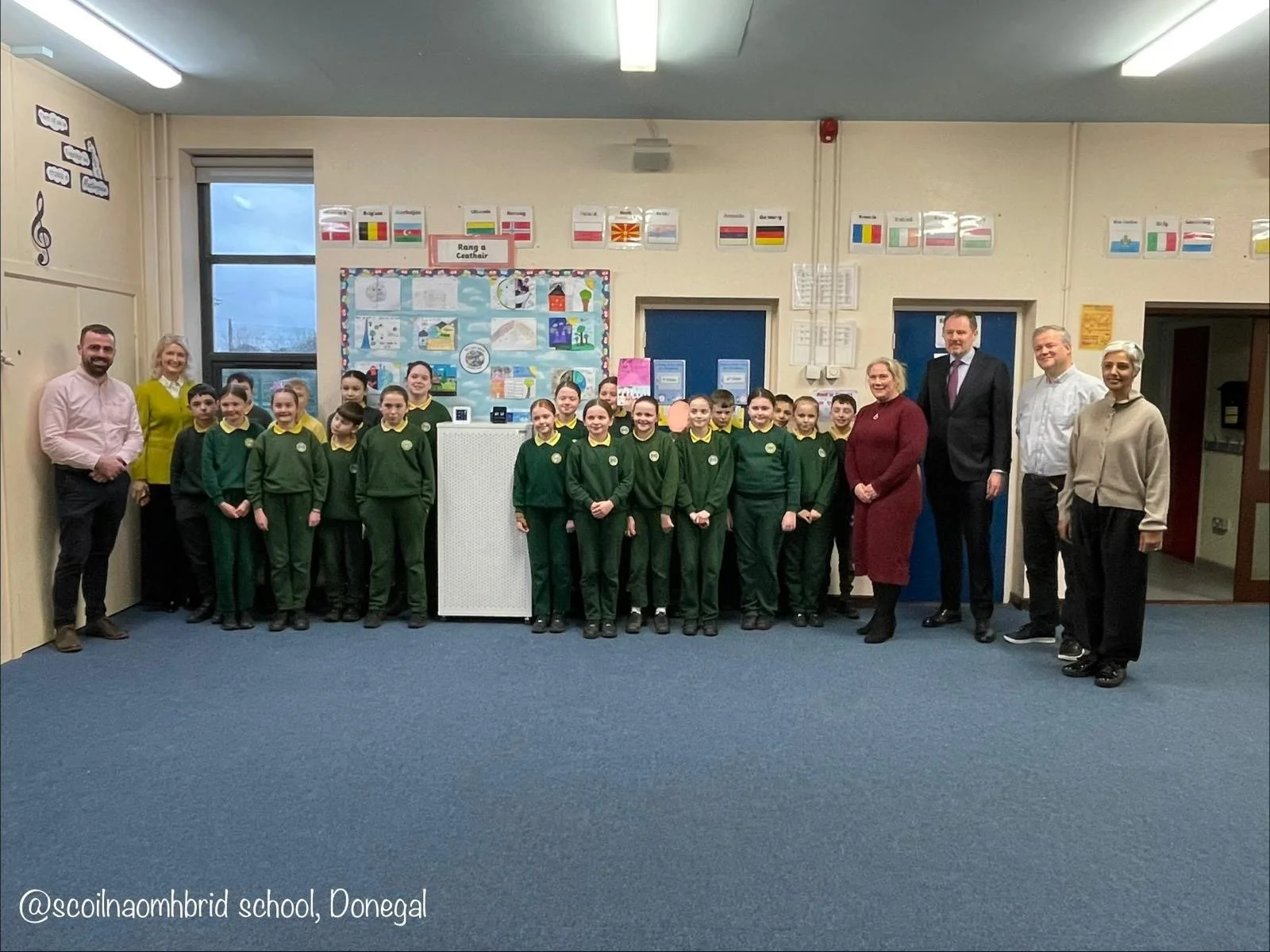
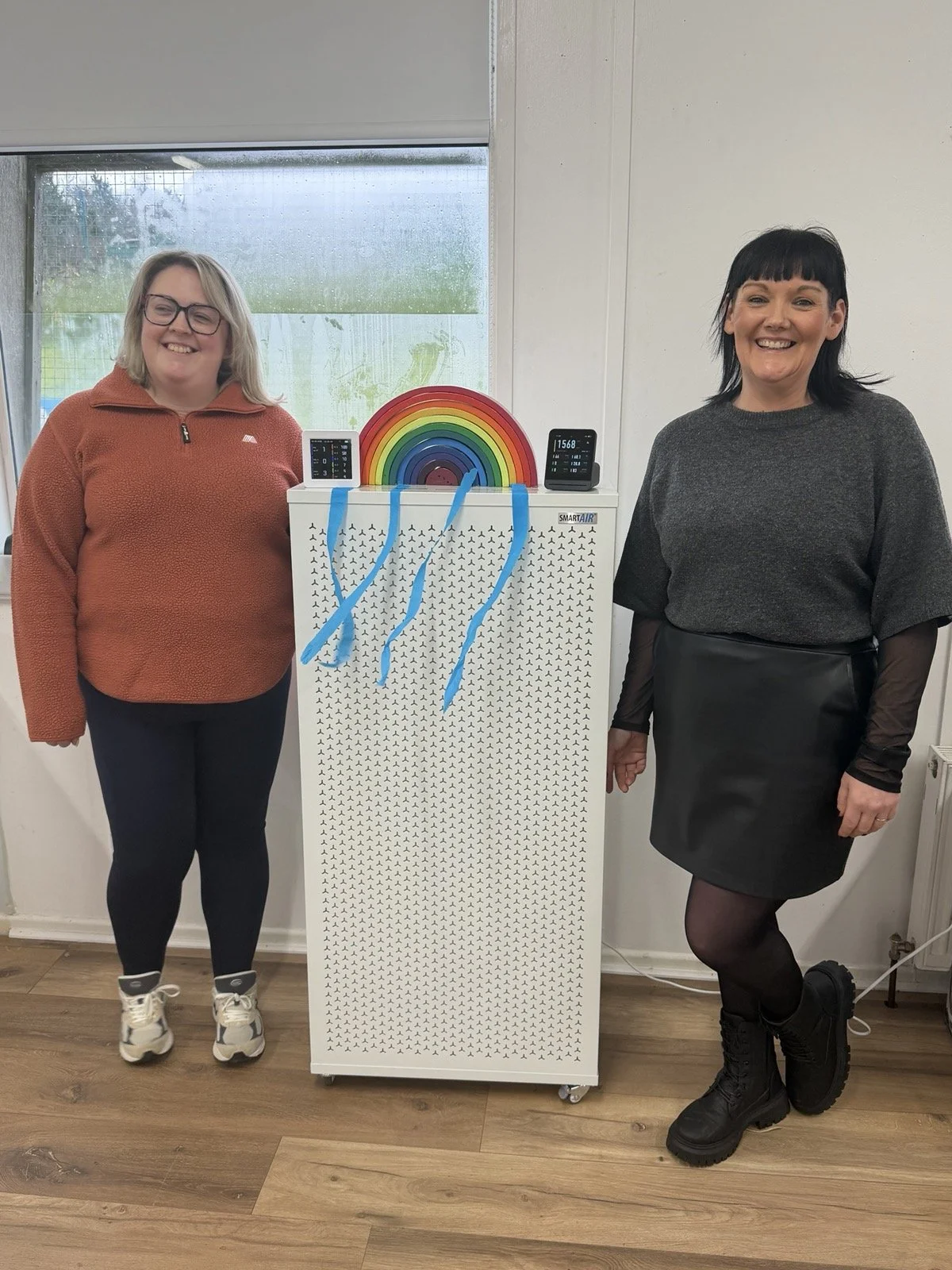
Dr. Ciara Steele , Donegal based GP and co-founder of Clean Air Advocacy Ireland was at the official delivery of HEPA filters generously donated by Smart Air to the students and staff at Scoil Naomh Bríd in Muff and iCare in Buncrana, Co. Donegal.
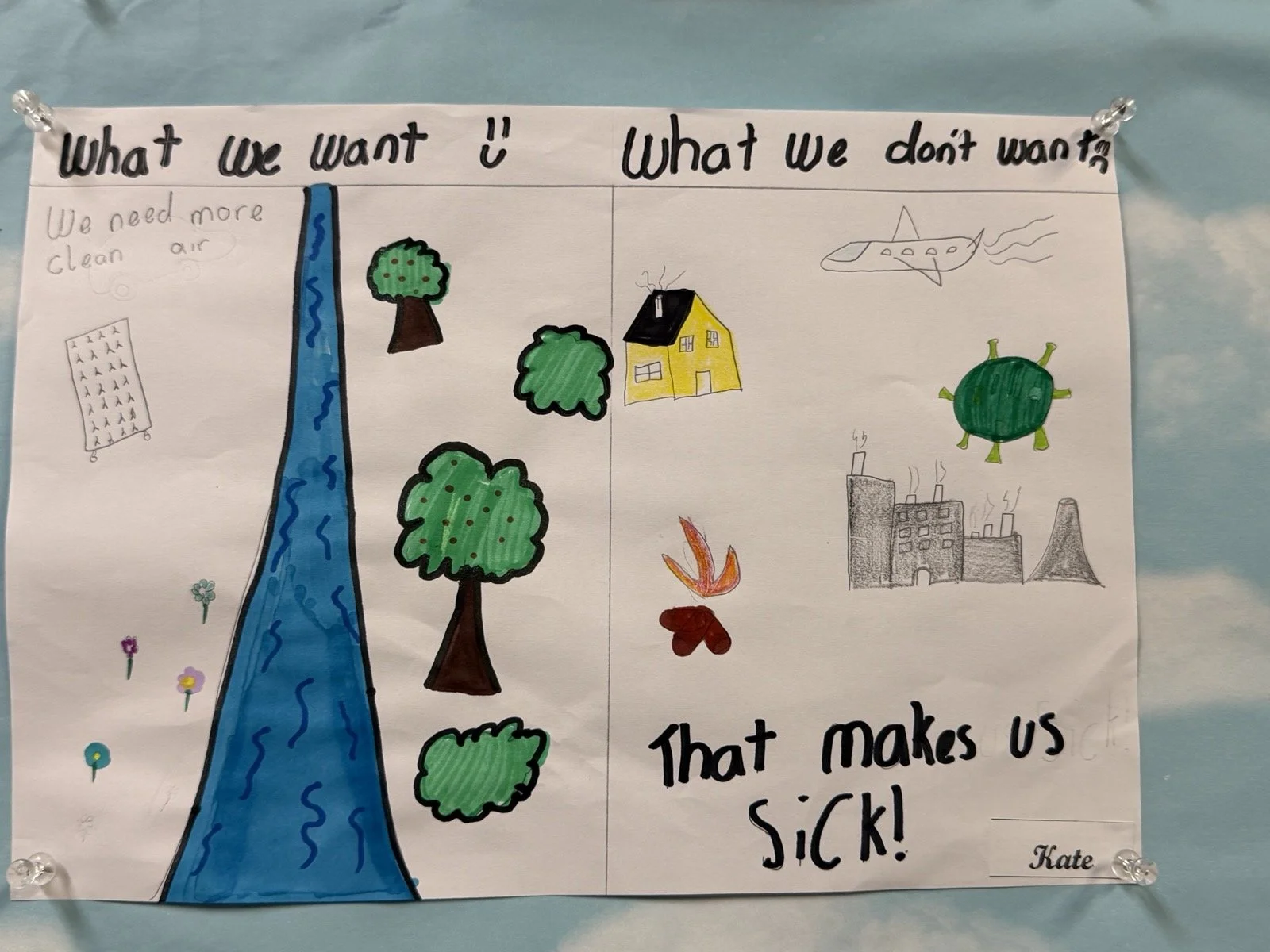
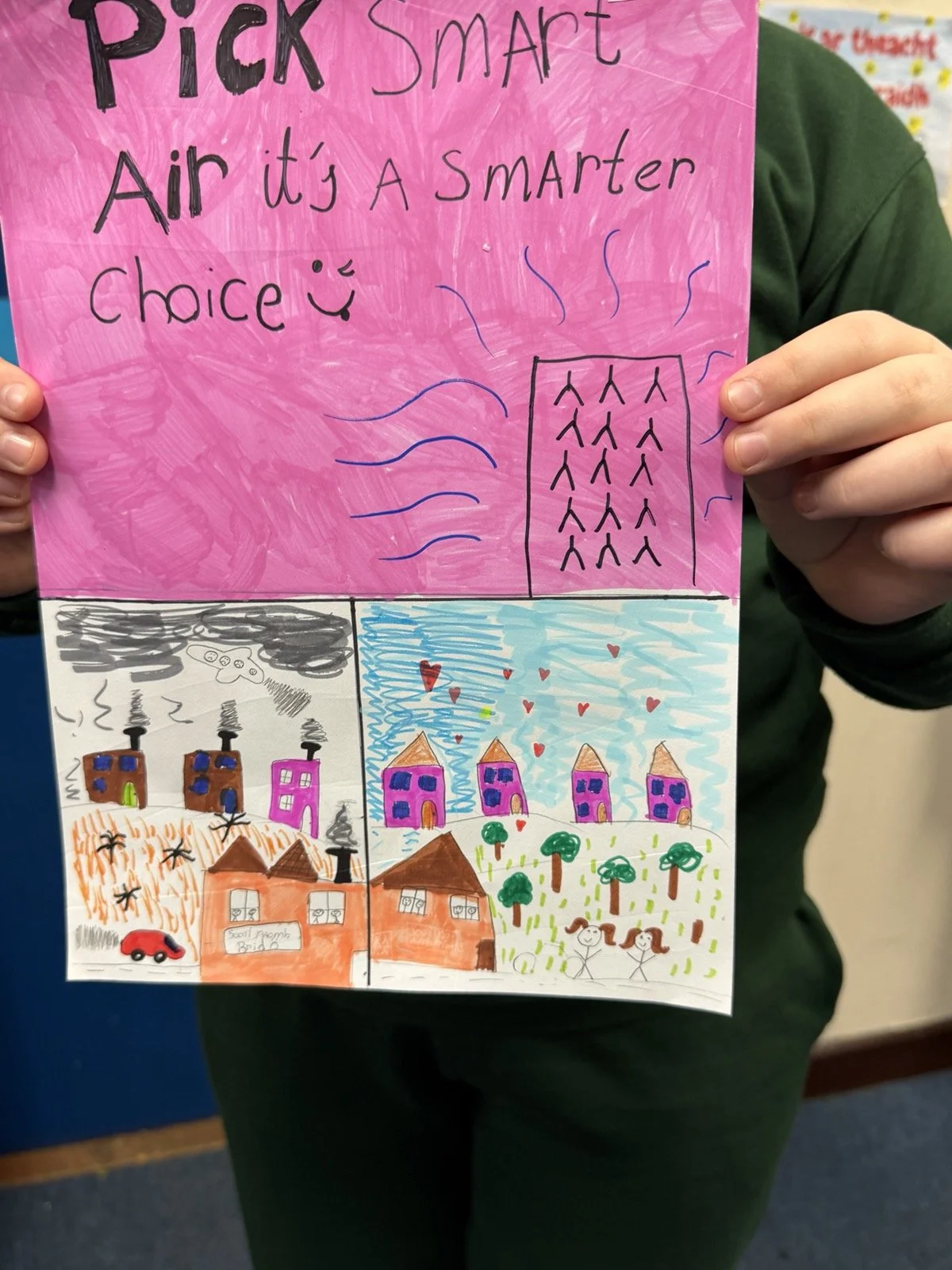
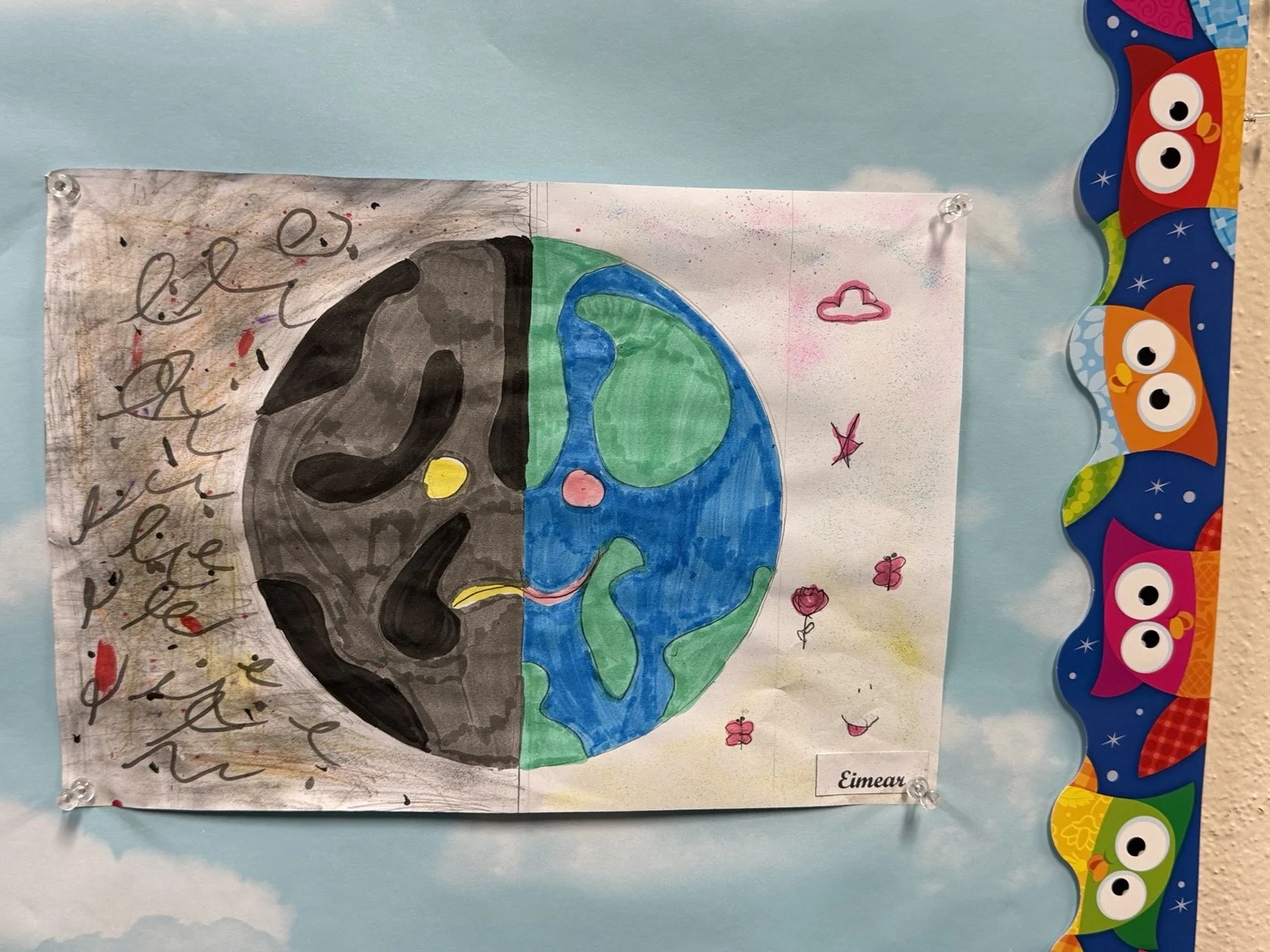
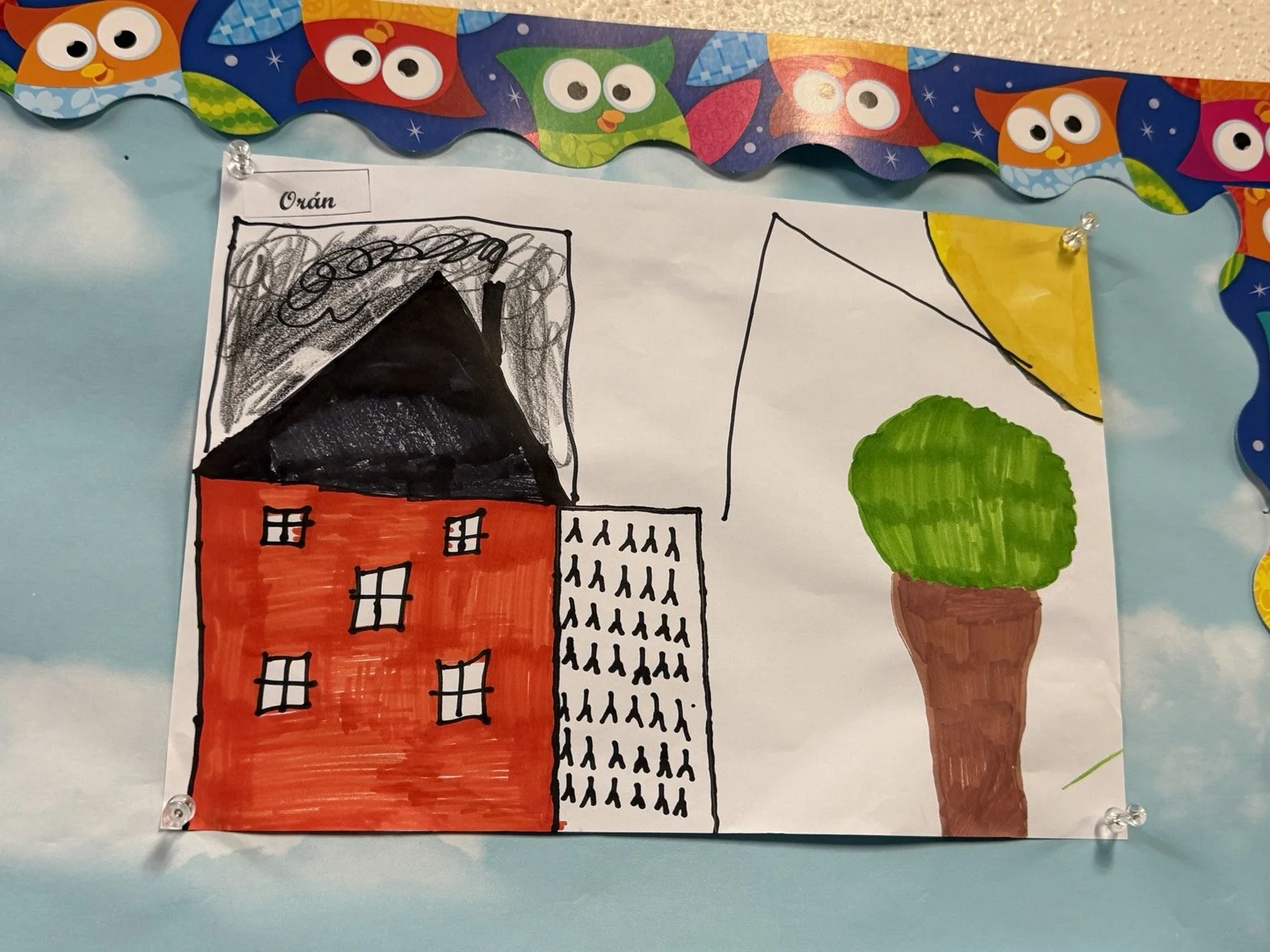
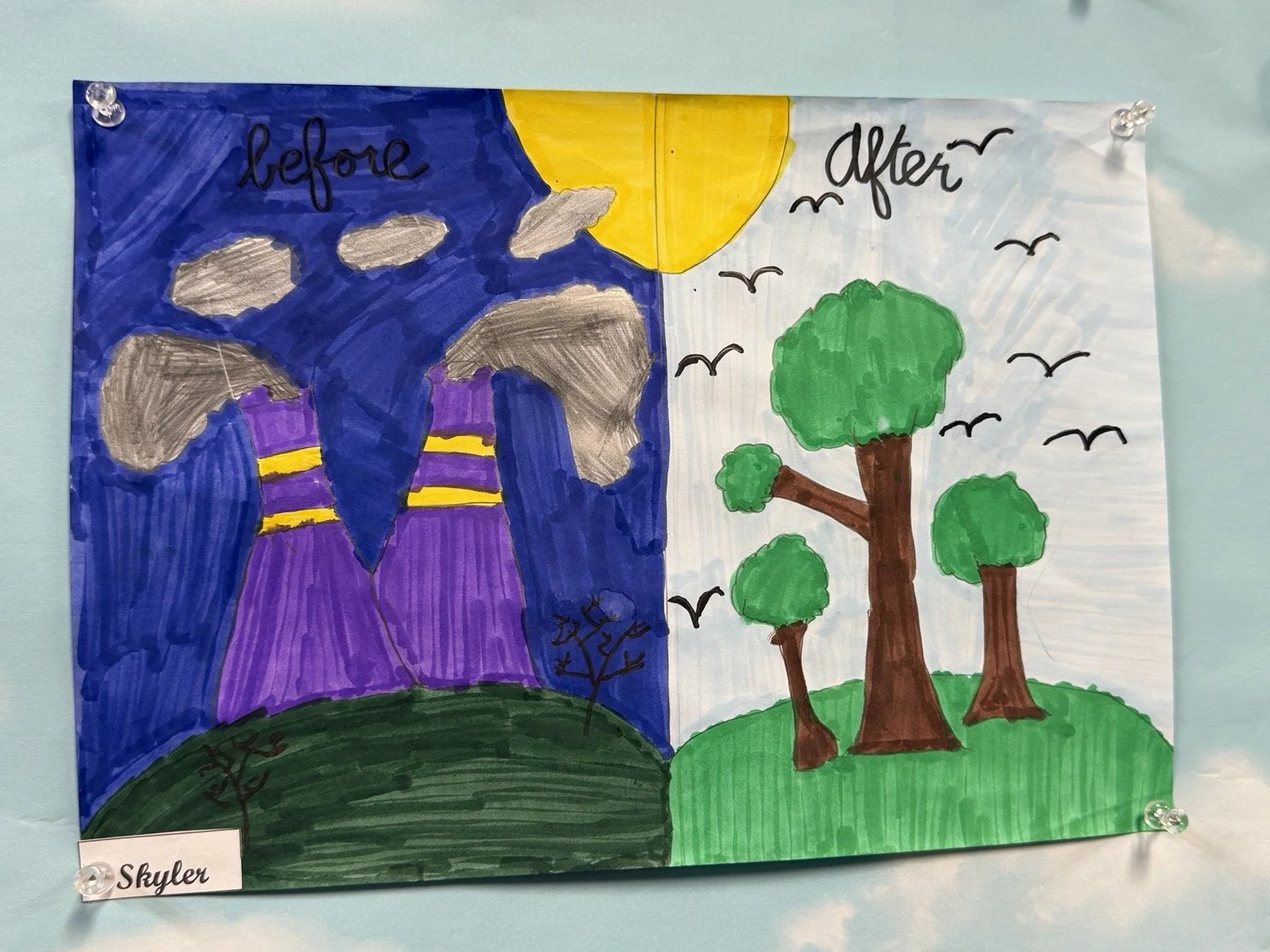
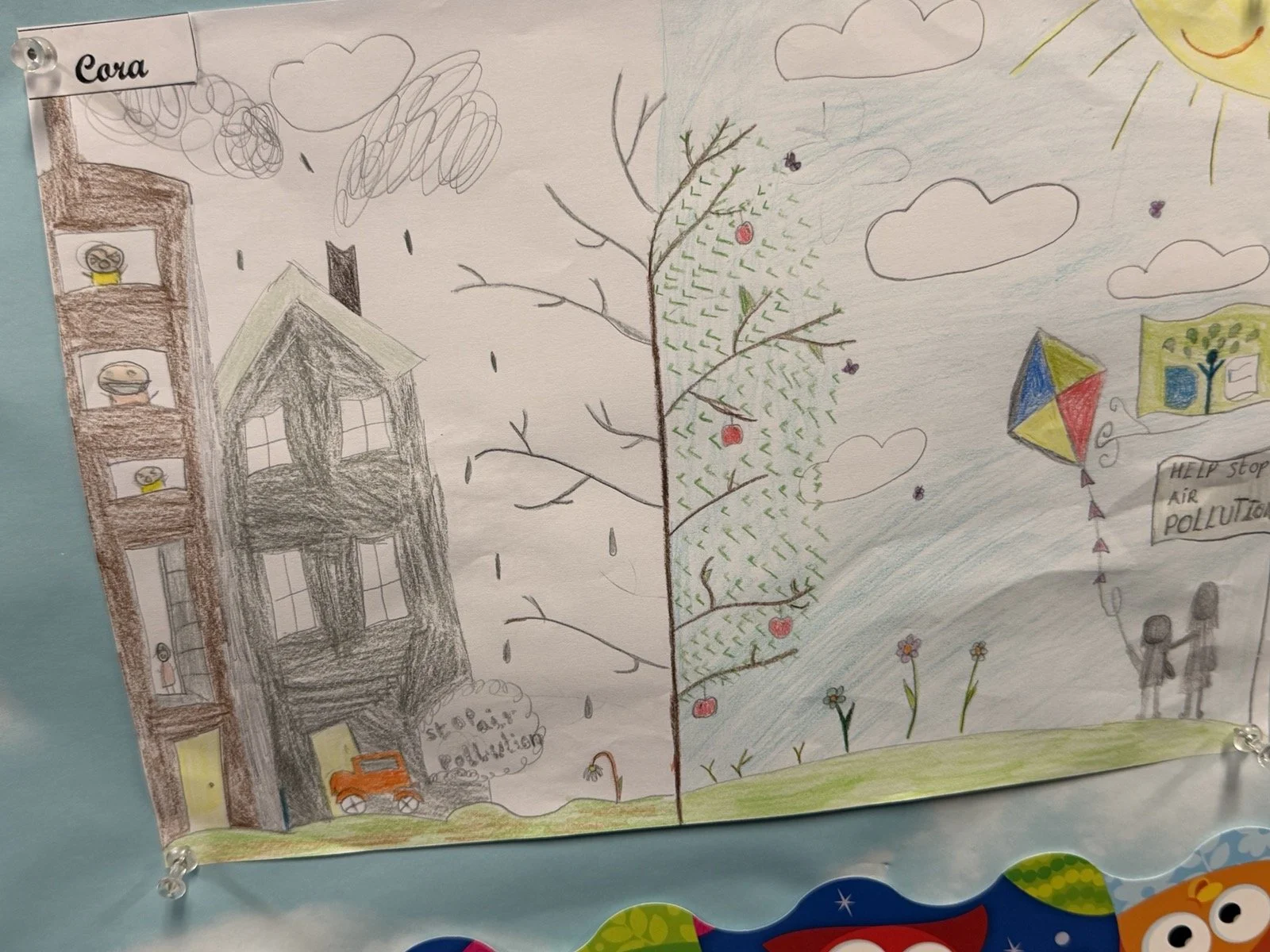
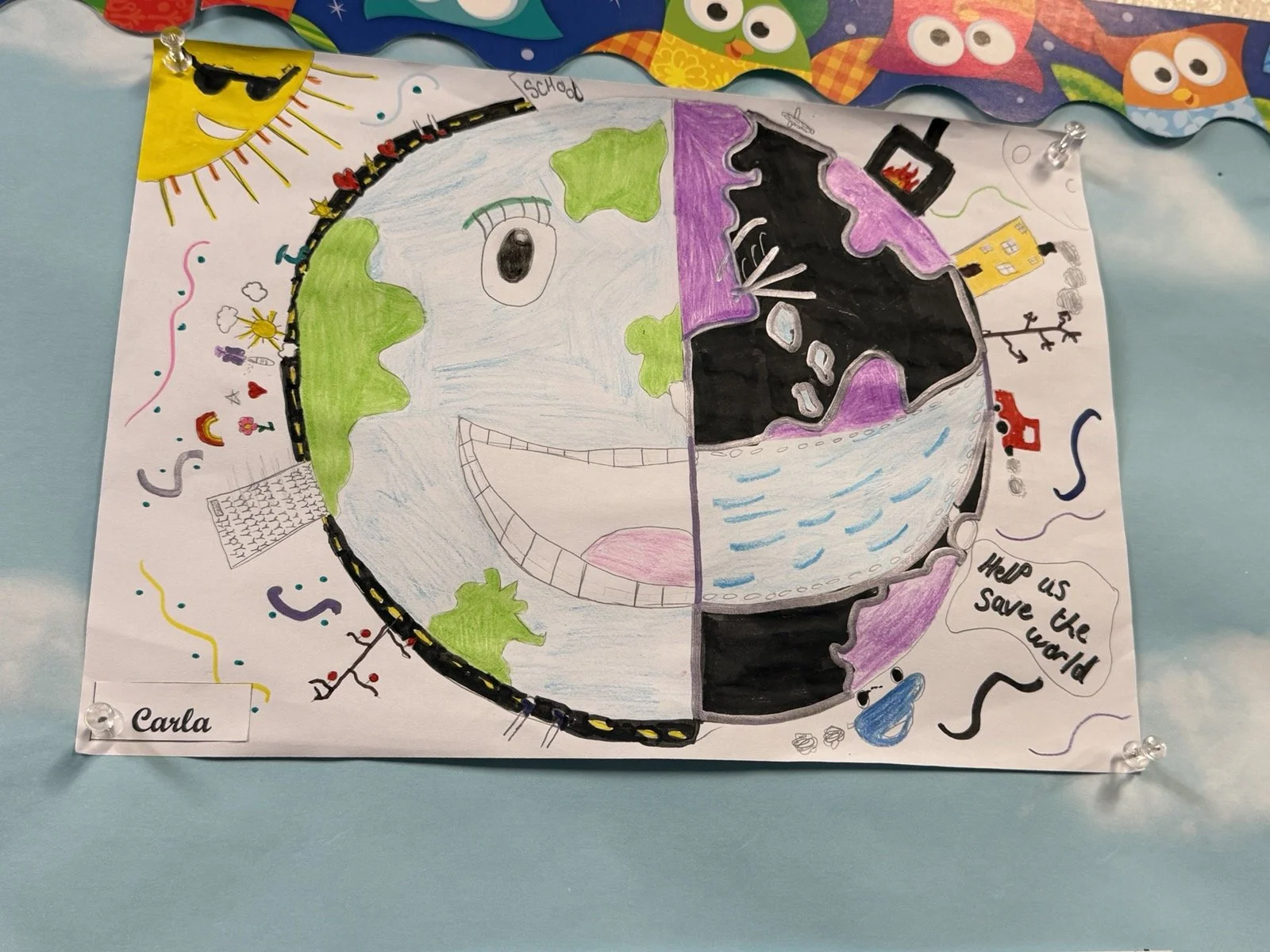
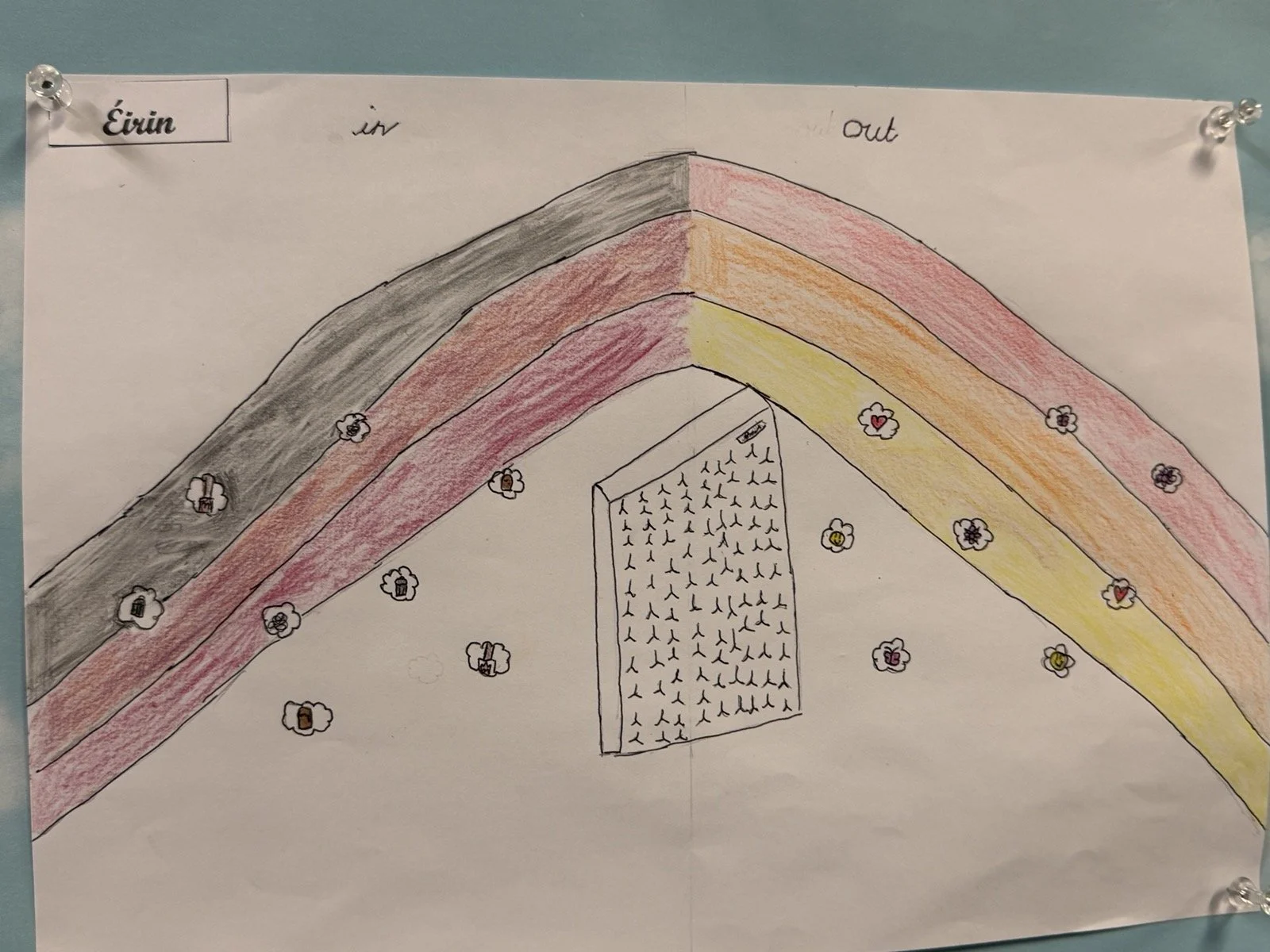
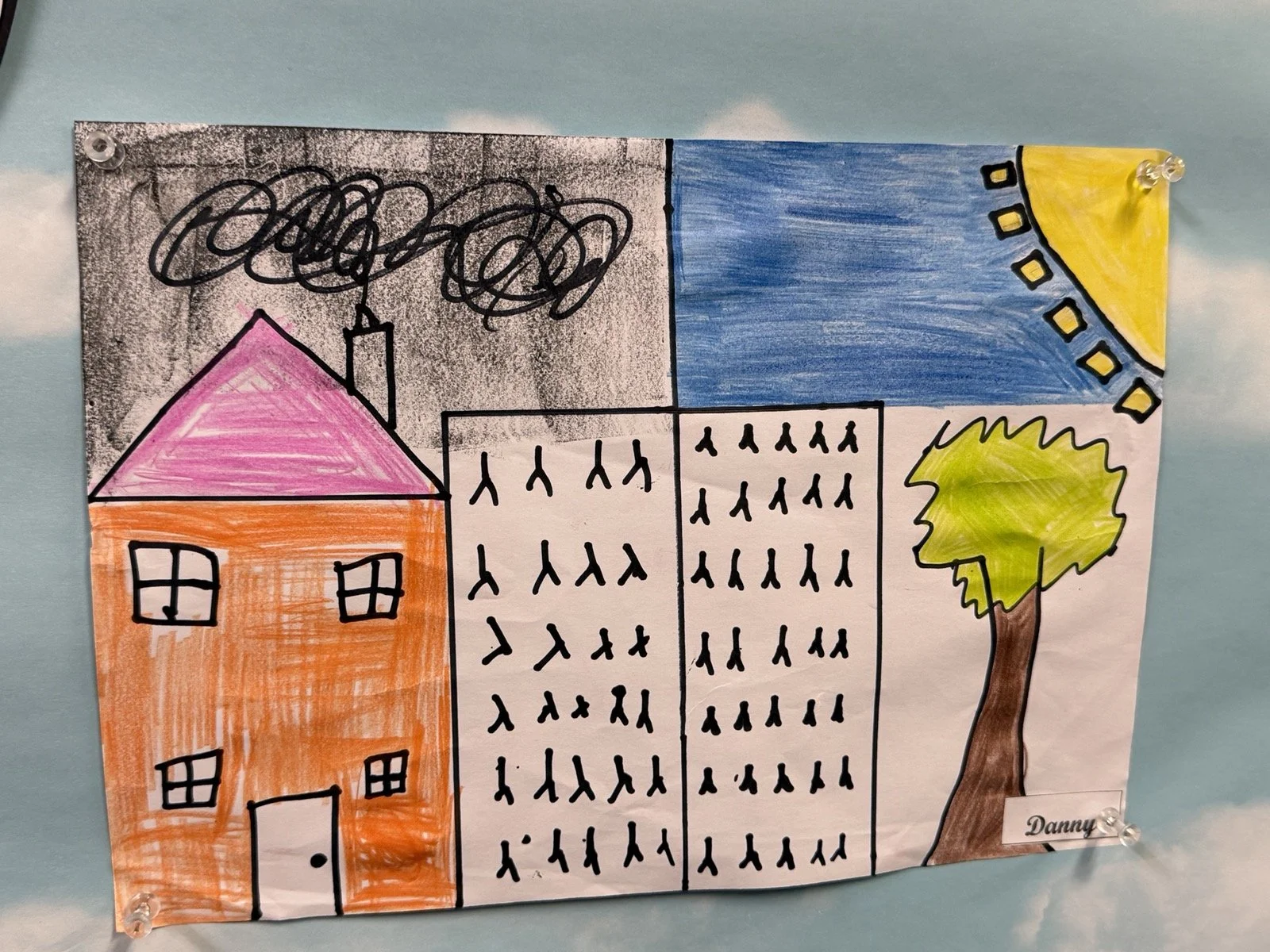
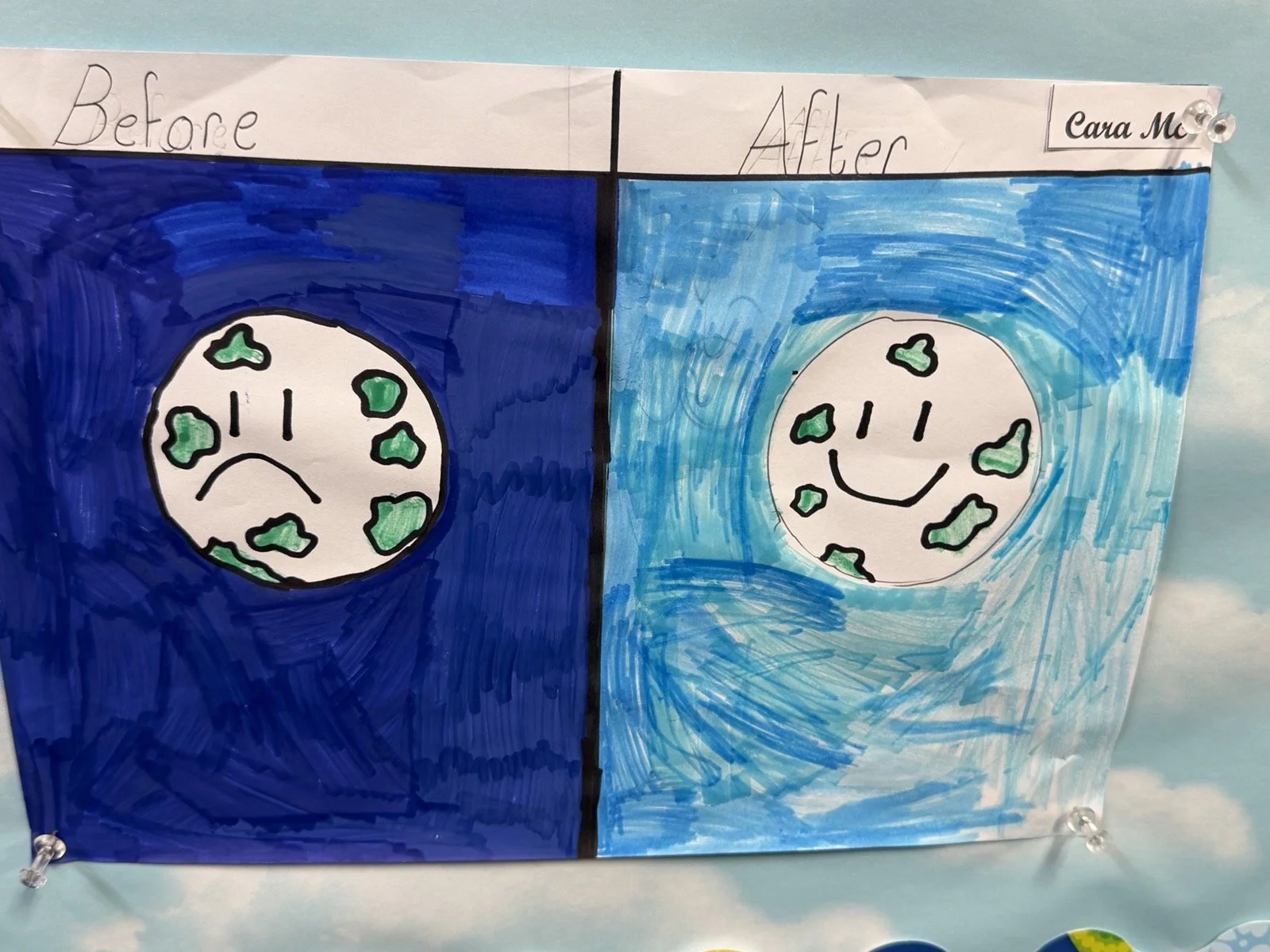
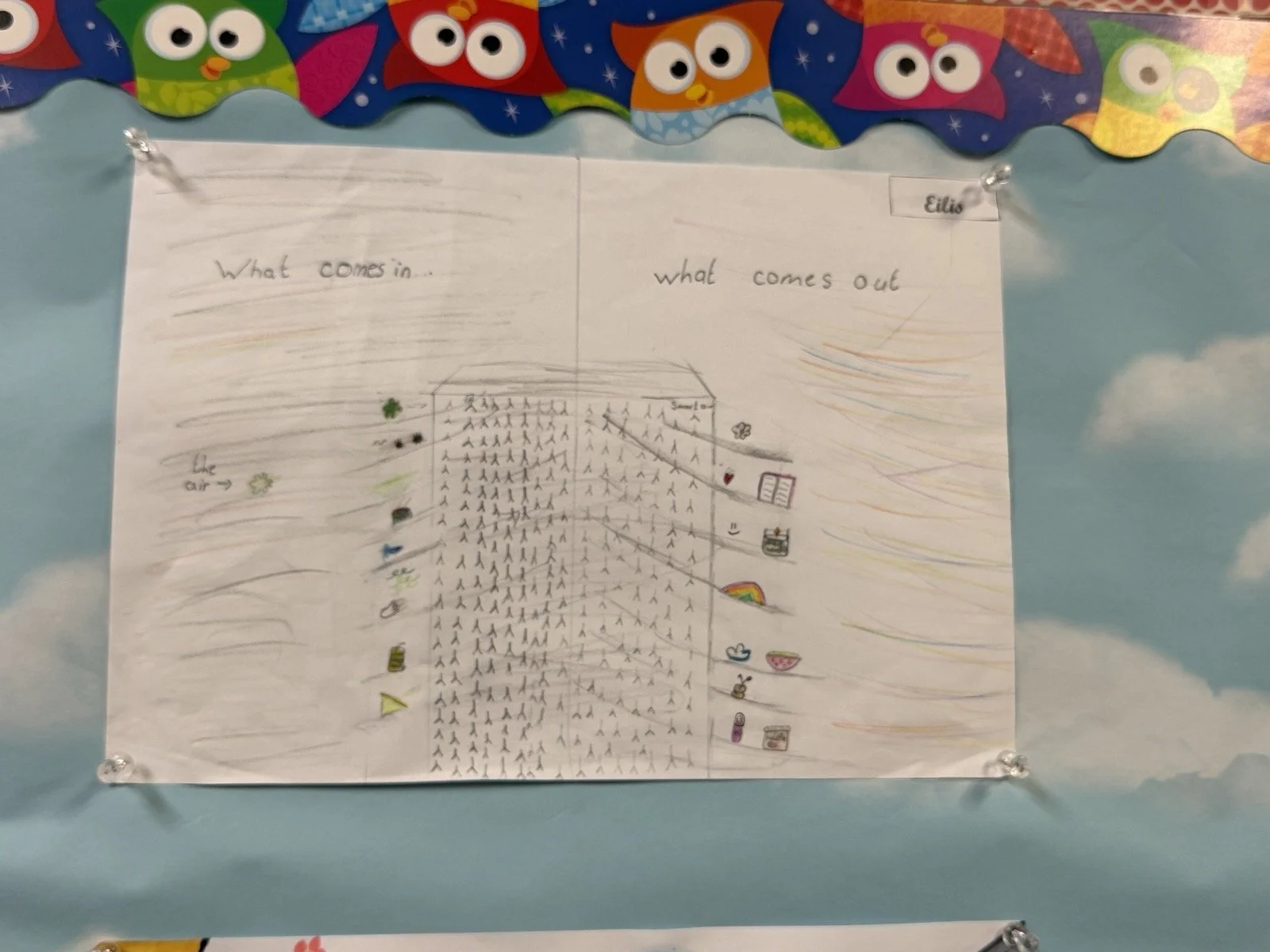
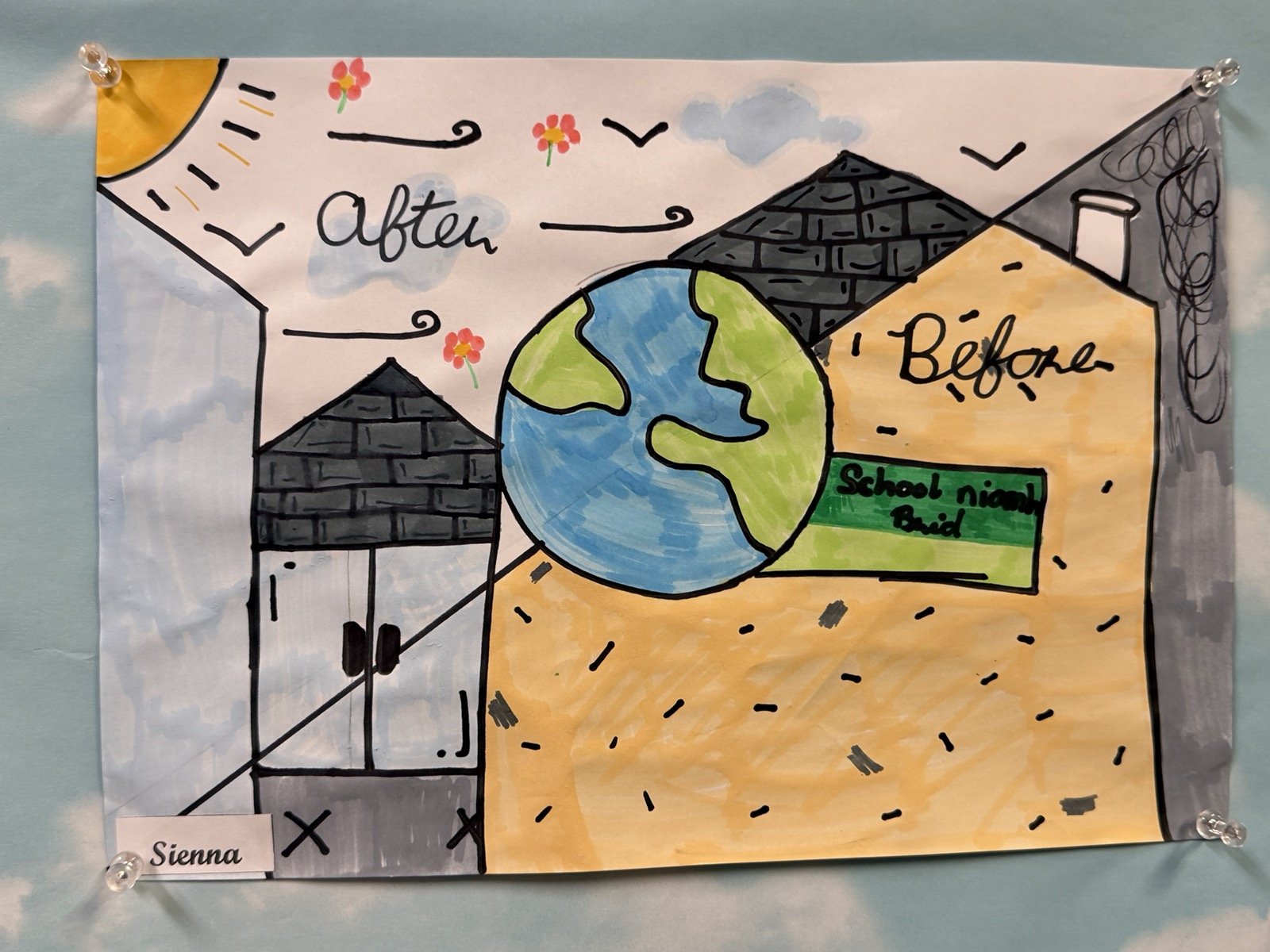
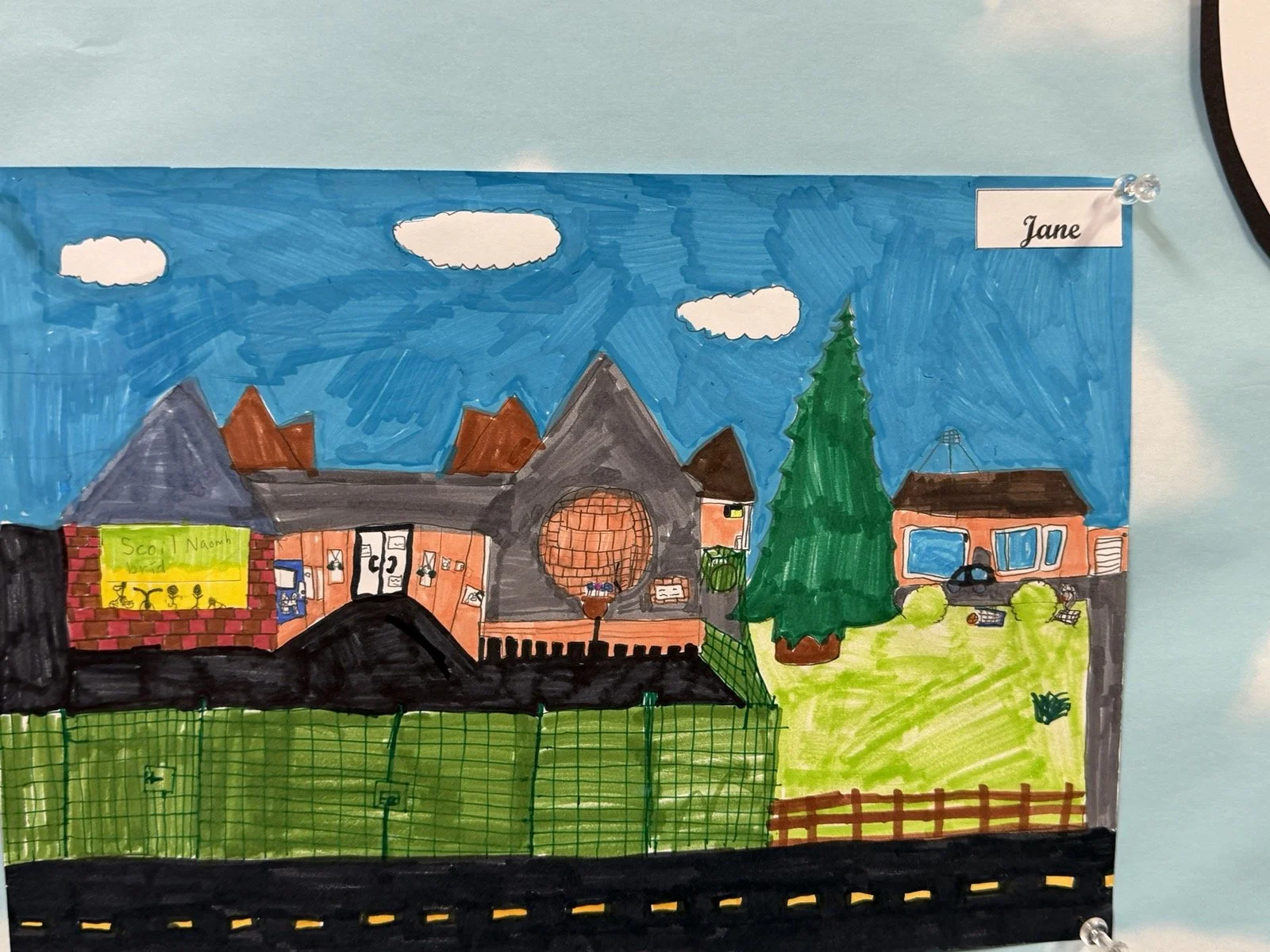
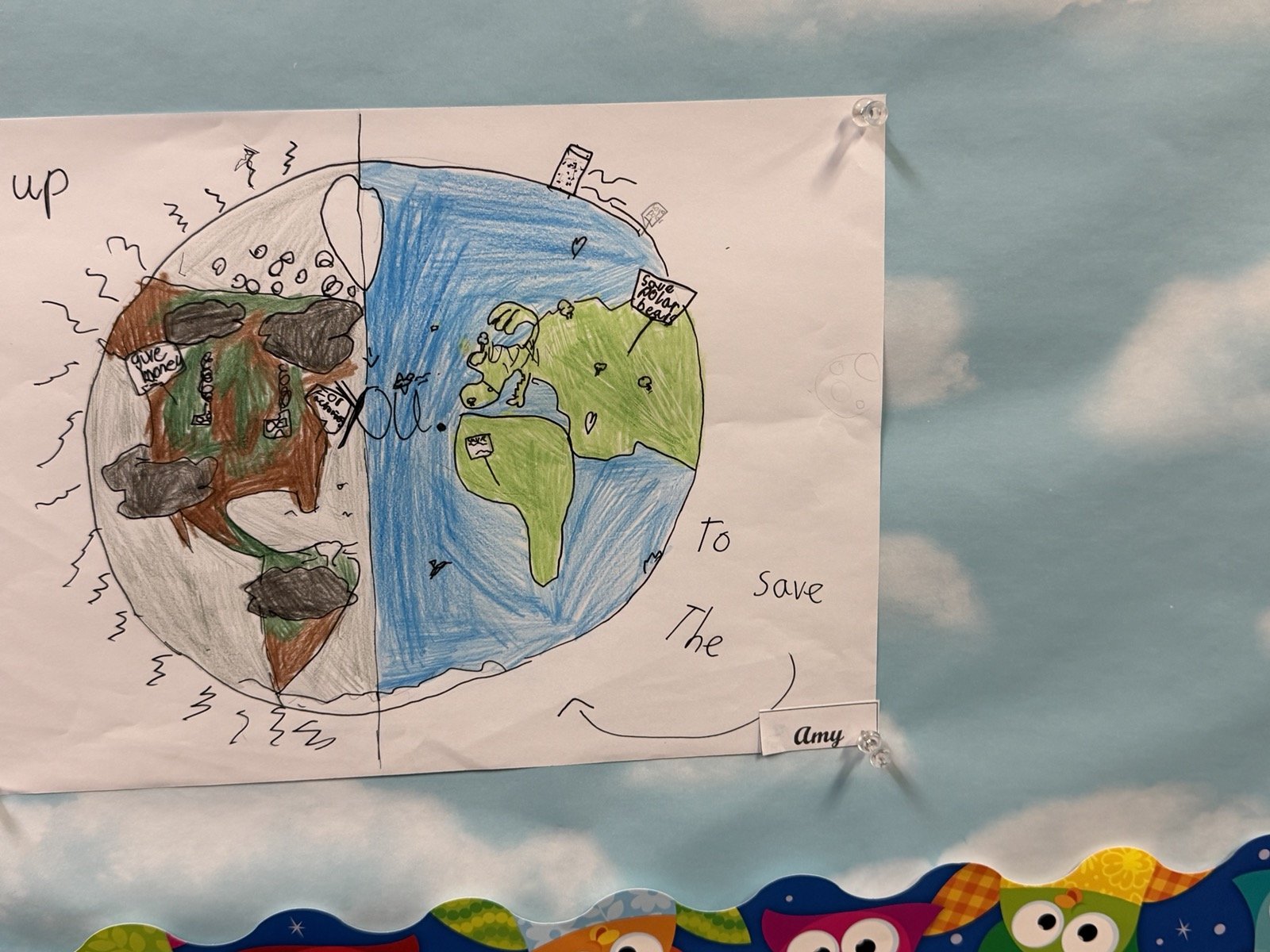
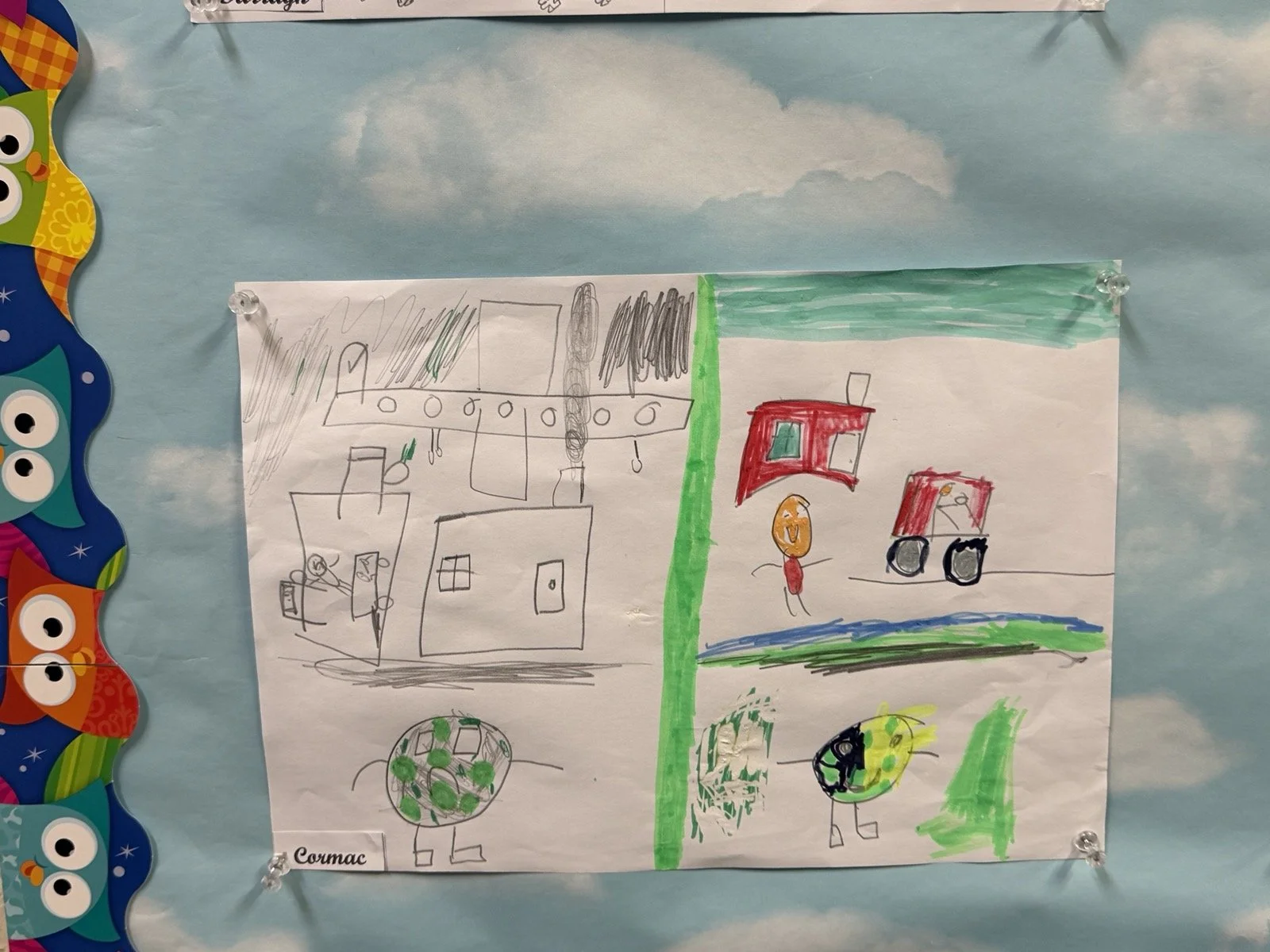
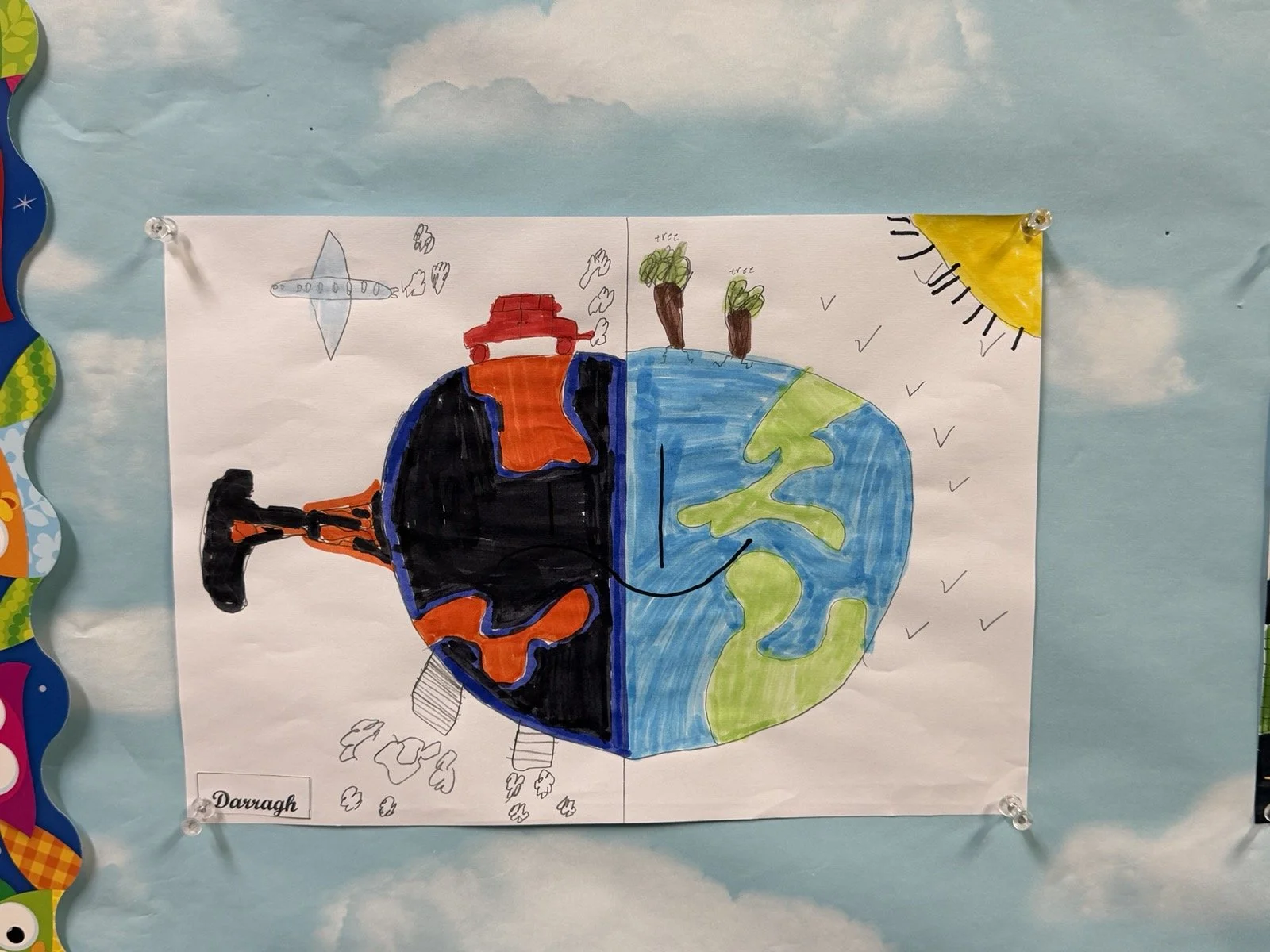
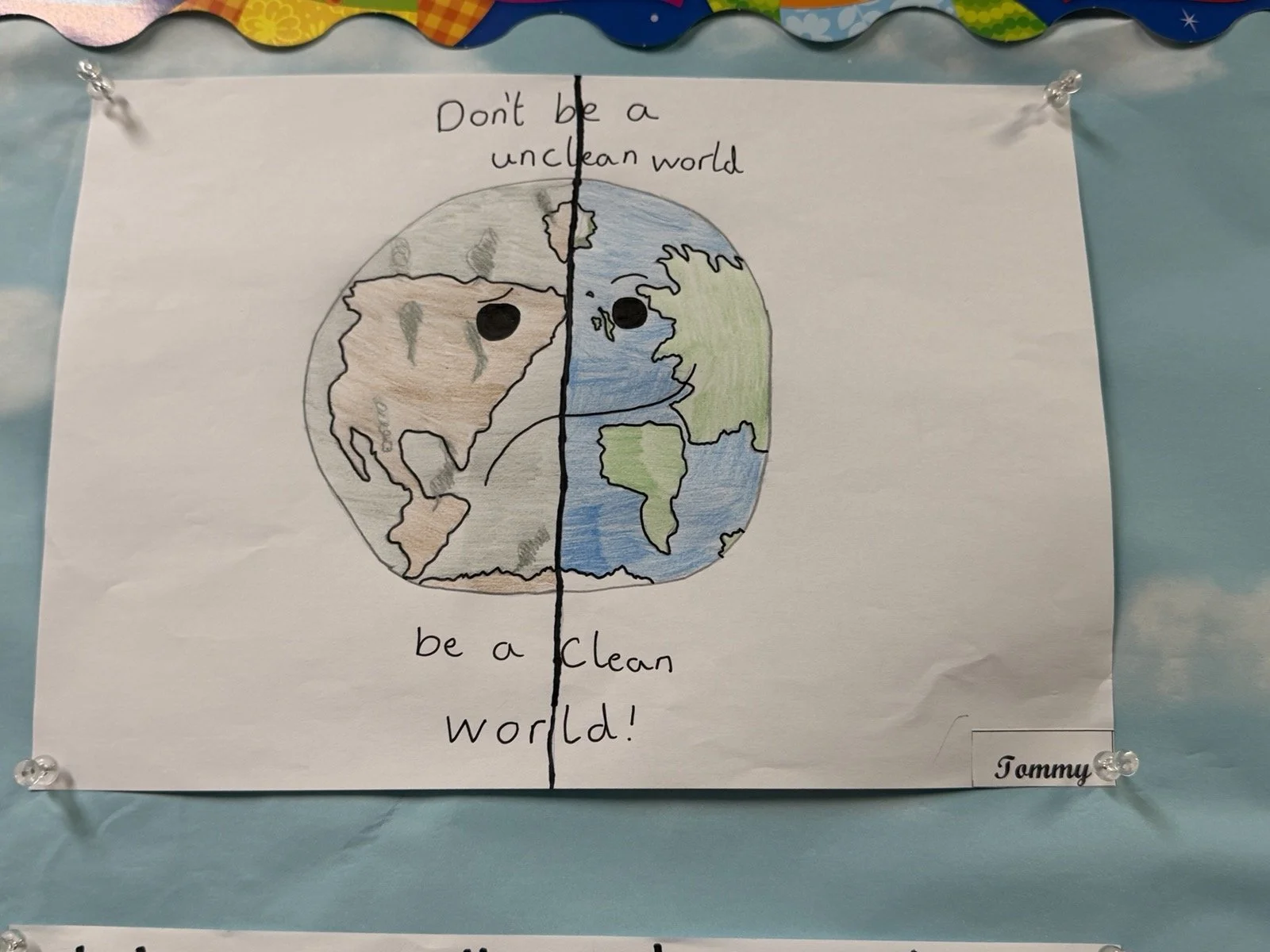
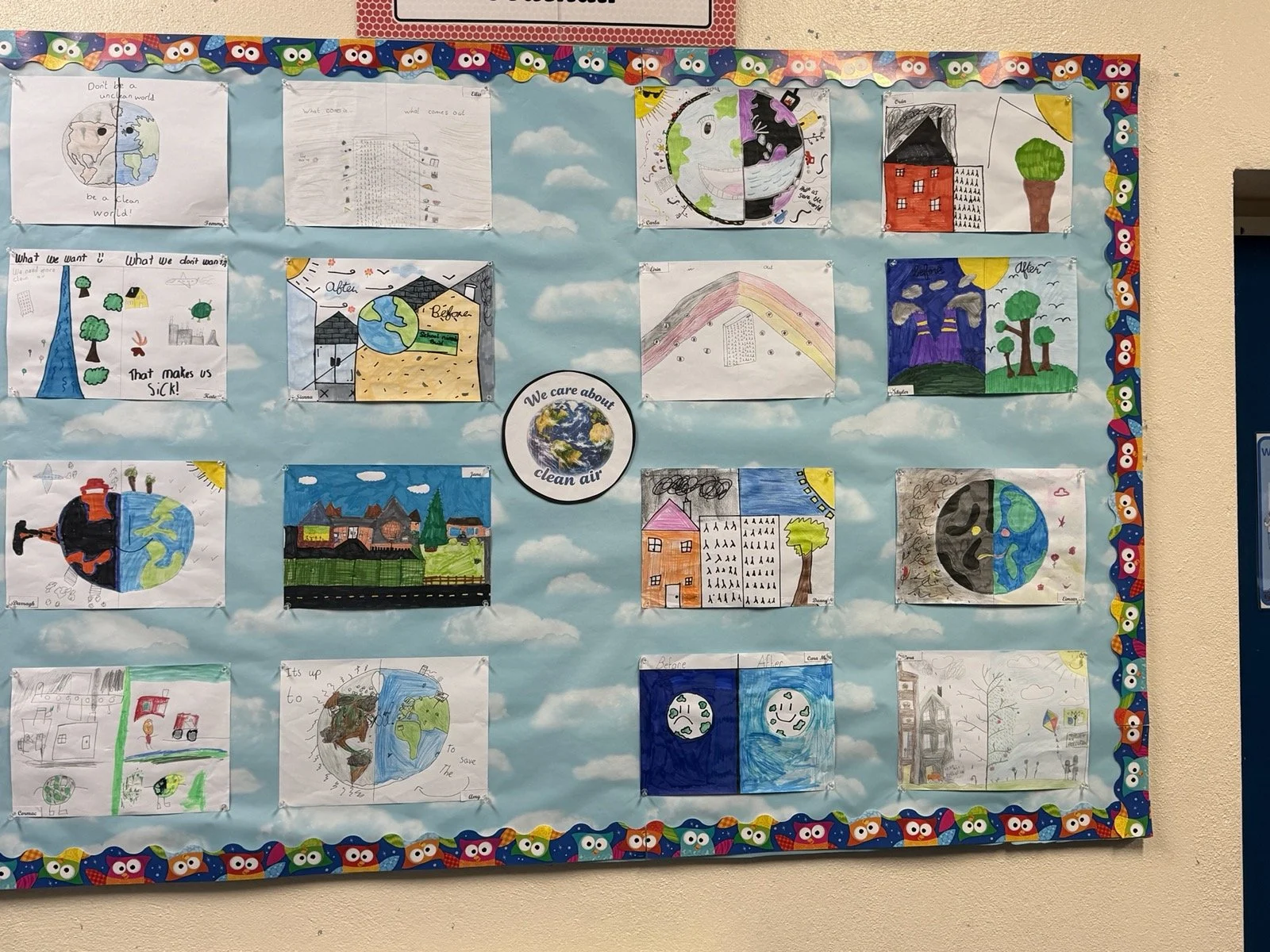
“I was just so overwhelmed today by the imaginative depictions of the young artists in Rang a Ceathair. I was really really impressed with the level of engagement that the children had after just one educational class on clean air,” Dr. Steele said of the event.
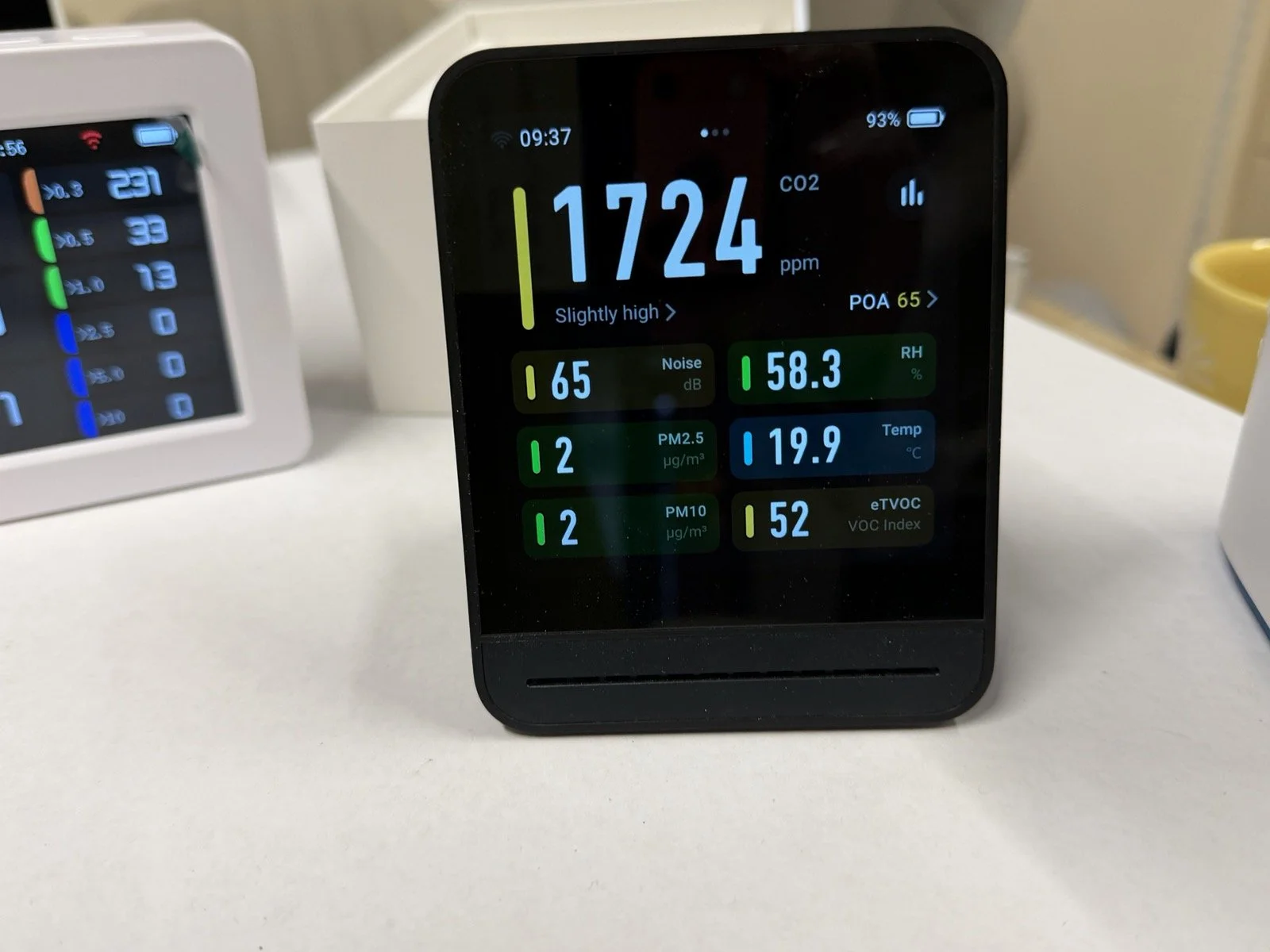
The schools being older buildings and pre-fabs respectively, unfortunately are not well ventilated. Classroom windows were opened once the air monitors were switched on and CO2 levels were shown to be quite high on the air quality monitor.
The poor ventilation is illustrative of the majority of schools across the island of Ireland. It was a great educational opportunity for students and staff and political representatives to learn about the importance of indoor air quality, particularly in classroom environments. Minister of State, Charlie McConalogue of Fianna Fáil & Councillor Jack Murray of Sinn Féin were in attendance.
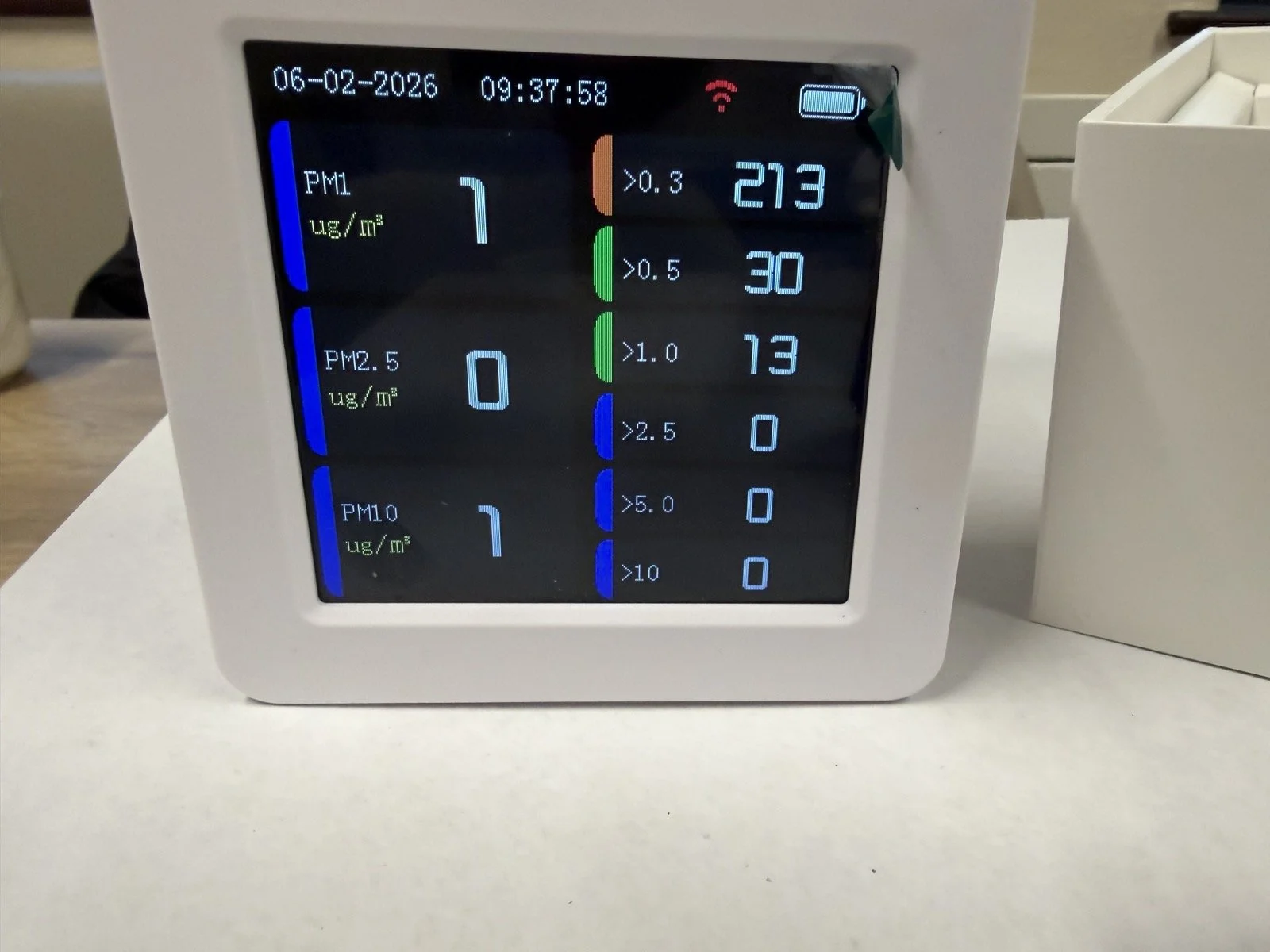
Dr. Steele is working tirelessly in her community to educate the public on the health and learning benefits of introducing HEPA filters into our shared indoor environments; as well as the importance of monitoring indoor air quality and opening windows when CO2 or PM2.5 levels rise above recommended levels.
Dr. Steele stated, “research has shown that adding HEPA filtration and improved ventilation to classrooms, reduces absences by 20%. In Ireland, 1 in 5 children have asthma, and filtration reduces pollen and allergens in classrooms. Mould can generate and exacerbate respiratory conditions. Air filters are necessary to remove mould spores and other biological and physical pollutants from the air.”
The Health and Safety Authority's Code of Practice for Indoor Air Quality provides that employees are entitled to work in safe environments and that if ventilation is such that CO2 is consistently above 1000ppm, HEPA filters should be provided. It should be noted that HEPA filters do not remove CO2, but will filter biological contaminants like airborne pathogens, dust and mould etc.
From the perspective of improving cognition in educational settings, opening windows or upgrading ventilation systems to reduce CO2 levels is still critical.
Under Section 19 of the Safety, Health and Welfare at Work Act 2005, employers must carry out a risk assessment in order to determine the IAQ in their workplace. CO2 levels consistently higher than 1400ppm in an occupied room indicate poor ventilation, and action should be taken well before this upper threshold is reached.
For more information, see the Health and Safety Authority’s Code of Practice for Indoor Air Quality or visit our page on the topic here.