

Norovirus Can Spread Through The Air
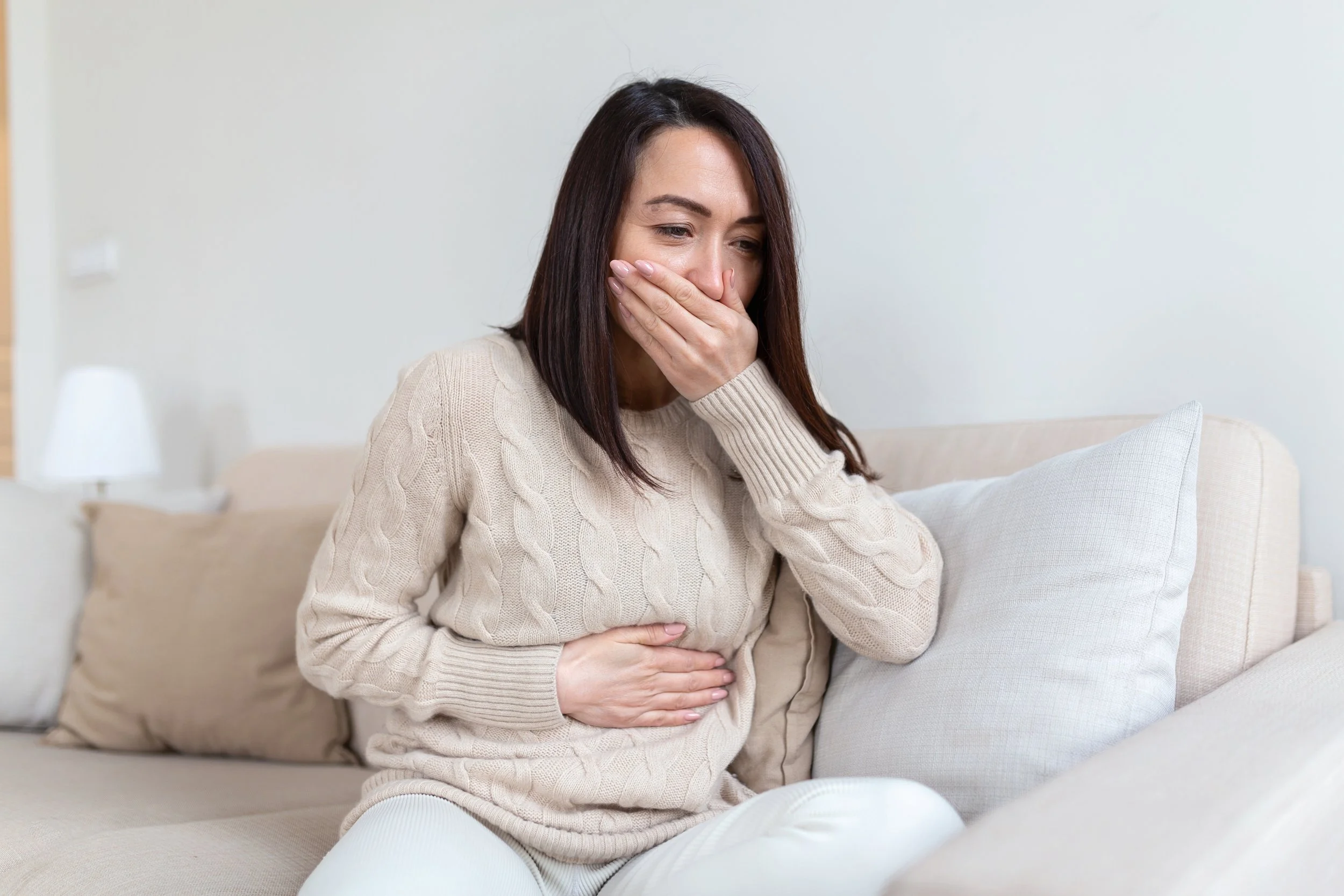
Ireland is currently experiencing an intense wave of Norovirus infections, with the highly contagious illness spreading like wildfire through schools, healthcare settings, and homes.
Many people are aware that Norovirus can be spread through contaminated food and surfaces, but what most people don’t realise is that Norovirus can also be spread through the air, particularly as a result of infected people vomiting.
While it is vitally important that everyone follows the well-known public health guidance of washing their hands and sanitising surfaces, it is also necessary to take precautions against the airborne transmission of Norovirus.
“When people who have Norovirus vomit, a large amount of viral material can become aerosolised - or airborne - as a result of that, and those viral particles can remain in the air and float through a room for up to two hours after the vomiting has stopped,” says Dr Ciara Steele, who is a GP in Donegal. “Those airborne viruses can be enough to trigger a noroviral infection when other people inhale or ingest them, so it’s important that people are aware of this if they want to avoid infection - especially if they’re sharing a home or workplace with an infected person.”
Dr Steele, who is a co-founder of Clean Air Advocacy Ireland, has some advice for how people can reduce the risk of norovirus spreading, especially in healthcare settings and in the family home.
“Ventilation is really important because this can remove or dilute the amount of viral particles in the air, so make sure you keep windows open and allow fresh air into any indoor space where an infected person might be. If ventilation isn’t possible, set up an air filter or air purifier, particularly a device which has HEPA (High-Efficiency Particulate Air) filtration, as this can remove tiny viral particles from the air.”

HEPA air purifiers can remove viruses and other pathogens from the air.
There are other simple habits which we can adopt, such as closing the lid of the toilet before we flush.
“Closing the lid of the toilet is a great habit to get into in general, because the process of flushing can send tiny particles from the toilet bowl into the air, but it is even more important when a person who is infected with norovirus uses the toilet. Flushing can send viral particles from vomit or fecal matter back up into the air, so closing the lid reduces that spread dramatically. Make sure the bathroom window is kept wide open too.”
Dr Steele also emphasises the importance of high-quality masks in reducing the airborne spread of Norovirus, with an emphasis on healthcare settings.
“Wearing an N95 respirator (face mask) can really help people to avoid an infection, especially when attending, or working in, healthcare settings. These N95 masks have filters which can remove viruses such as norovirus, flu, and covid from the air that we inhale,” she says. “We regularly see hospitals adopting masking precautions during covid and flu outbreaks, and we should do the same during surges in norovirus, like the one we’re currently experiencing. A well-fitted N95 respirator is extremely effective against airborne transmission.”
In addition to Dr Steele’s advice on airborne precautions, people should also follow other standard hygiene protocols to prevent the spread of norovirus, including:
Wash your hands frequently and thoroughly with soap and water, especially before preparing or eating food.
If you have vomiting or diarrhoea, you should try to avoid visiting the emergency departments, according to the HSE. Instead, talk to your pharmacist or GP by phone to prevent the spread of infection.
Disinfect any surfaces or objects which may have become contaminated, including bleaching the toilet bowl.
Items of clothing or bedding that have been contaminated should be washed in a hot wash.
